If you’ve been searching for how to fix a running toilet, you’re not alone. A toilet that constantly runs can waste water, raise your utility bill, and become an ongoing frustration for homeowners. In many cases, though, the issue comes down to a few common parts inside the toilet tank — and sometimes the fix is simpler than people expect.
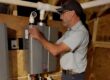
In this quick plumbing tip video, Travis from Danco Plumbing Services walks homeowners through a few things to check before scheduling a plumbing repair appointment. These are often the same basic troubleshooting steps plumbers start with when diagnosing a running toilet.
Start by Checking Inside the Toilet Tank
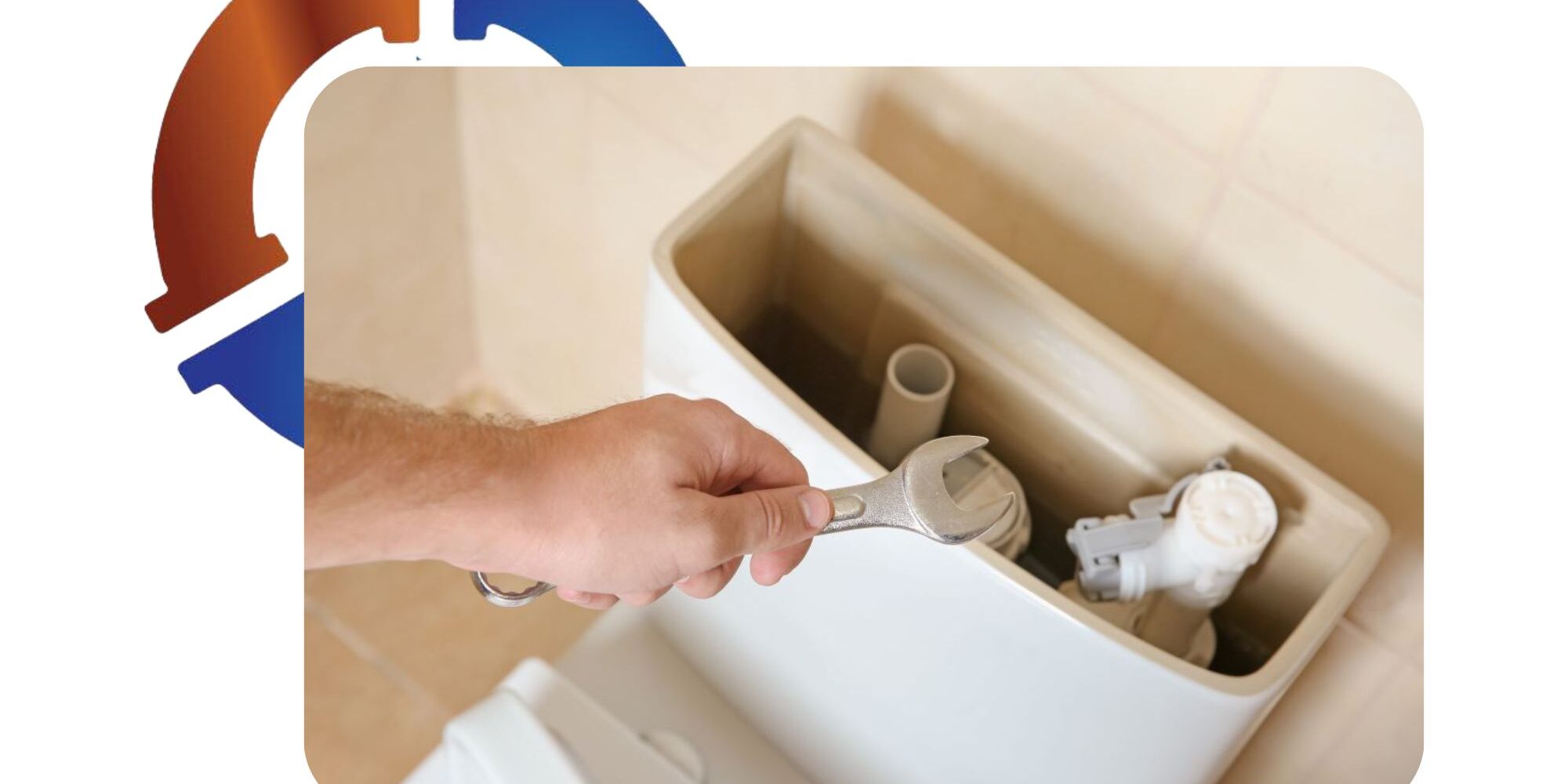
When learning how to fix a running toilet, the first step is removing the lid from the back of the toilet tank and taking a look inside while the toilet is running. Most problems happen within the tank itself, where a few key components control water flow and tank refilling.
One of the first things Travis recommends checking is the toilet flapper. The flapper is the rubber seal at the bottom of the tank that opens during a flush and closes once the tank refills. If that seal is not closing completely, water slowly leaks into the bowl and causes the toilet to keep running.
Sometimes the issue is easy to spot. The flapper may appear worn out, slightly warped, or dirty. Other times, something small may simply be stuck underneath it preventing a proper seal. Even minor debris buildup can allow water to continuously pass through the tank.
If the flapper does not sit flat against the opening or appears damaged, cleaning or replacing it may solve the problem.
Many homeowners throughout Rock Hill, Fort Mill, Lake Wylie, and the surrounding area don’t realize a running toilet can quietly waste water for weeks before the issue becomes obvious on the monthly water bill.
The Fill Valve May Also Be Causing the Problem
Another common issue homeowners encounter when researching how to fix a running toilet involves the fill valve. This is the component responsible for refilling the tank after each flush.
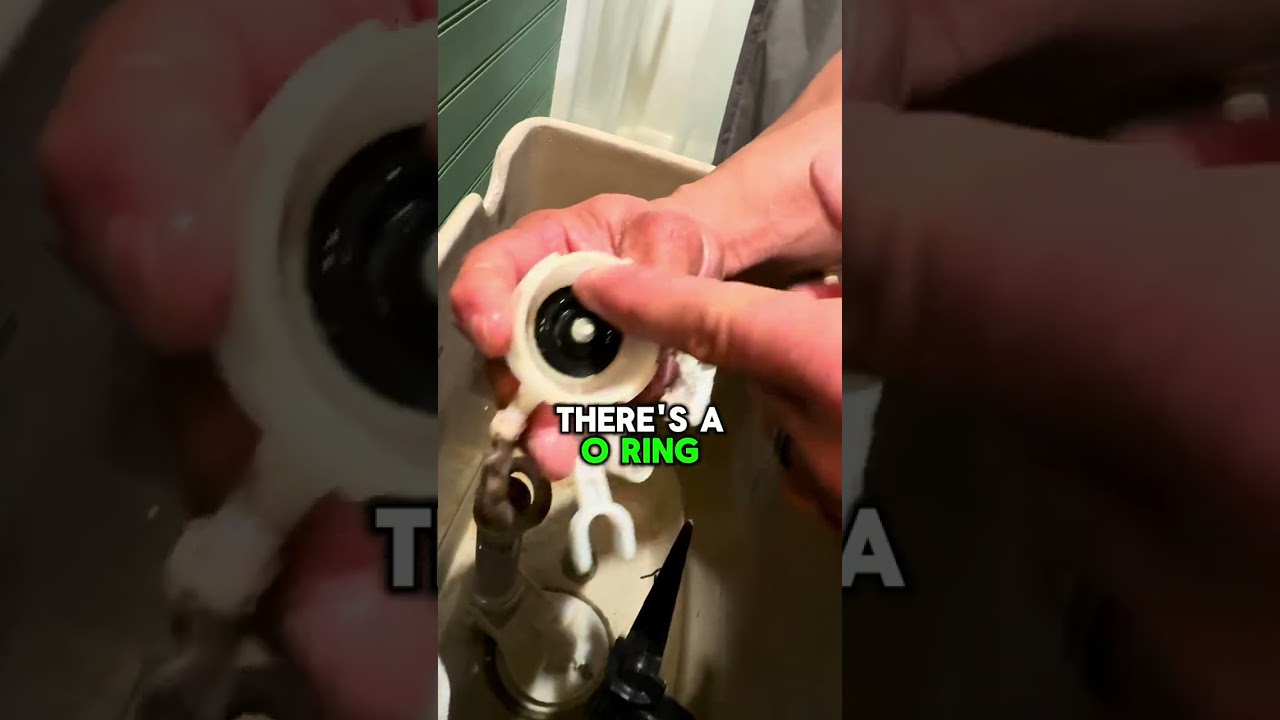
Over time, sediment and mineral buildup can collect inside the valve and affect how it operates. Travis explains in the video above that homeowners can carefully inspect the valve by first turning the water supply off, then removing the cap on top of the fill valve with a small quarter turn.
Once the top portion is removed, inspect the inside for any dirt, debris, or buildup that could interfere with the valve’s function. In some cases, simply cleaning the valve is enough to stop the toilet from continuously running.
Inside the valve is also a small O-ring that helps create a watertight seal. If that O-ring is dirty, damaged, or improperly seated, the valve may not shut off correctly. Travis recommends checking to make sure the O-ring is clean and free from debris before snapping everything back together and restoring the water supply.
When a Running Toilet May Need Professional Repair
While many running toilet problems are relatively minor, some issues point to larger plumbing concerns that may require professional repair. If the toilet continues running after cleaning the flapper and fill valve, or if the problem keeps returning, it’s usually a good idea to have a licensed plumber inspect the system.
Older toilets often develop worn internal components over time, especially in homes with aging plumbing fixtures or heavy daily use. Mineral-heavy water can also contribute to buildup inside valves and seals, making these issues more common as plumbing systems age.
A constantly running toilet may not seem like an urgent plumbing issue at first, but over time it can waste a substantial amount of water and unnecessarily increase utility costs.
Routine Plumbing Maintenance Can Help Prevent Future Issues
One thing many homeowners don’t realize is that plumbing problems often develop gradually. A toilet may start running occasionally before eventually becoming a constant issue. Catching those problems early can help prevent more expensive repairs later.
That’s one reason Danco Plumbing Services offers a whole-home plumbing inspection to help homeowners identify potential plumbing concerns before they turn into larger problems.
During an inspection, plumbers can identify worn toilet components, hidden leaks, fixture issues, water pressure concerns, and other common residential plumbing problems that homeowners may not notice right away.
Trusted Toilet Repair and Plumbing Service in York County, SC
Danco Plumbing Services is proud to offer residential plumbing services throughout York County, SC and surrounding communities, including Rock Hill, Fort Mill, Clover, and Lake Wylie. Their team handles everything from toilet repairs and leak detection to drain cleaning, water heater services, sewer line repairs, and emergency plumbing calls.
The company focuses heavily on residential service work and helping homeowners solve plumbing problems quickly, honestly, and professionally.
Need Help Fixing a Running Toilet?

If your toilet continues running after trying these troubleshooting steps, Danco Plumbing Services can help identify the issue quickly and recommend the right repair before the problem leads to higher water bills or additional plumbing damage.
Whether the issue involves a worn flapper, a faulty fill valve, mineral buildup, or aging toilet components, their team can help get your plumbing system back to normal.
Contact Danco Plumbing Services today
Frequently Asked Questions About How to Fix a Running Toilet
Why does my toilet keep running after I flush?
Most running toilets are caused by a flapper that is not sealing properly, debris inside the fill valve, or worn internal tank components.
Can a running toilet increase my water bill?
Yes. A continuously running toilet can waste a surprising amount of water over time and significantly increase monthly utility costs.
Is fixing a running toilet something homeowners can do themselves?
Sometimes. Simple issues like cleaning the flapper or fill valve may solve the problem, but persistent issues may require professional plumbing repair.