


Few things are more frustrating than standing ankle-deep in water while taking a shower. A slow draining tub is one of the most common plumbing issues homeowners experience, but the good news is that many cases can be diagnosed, and sometimes fixed, without immediately calling a plumber.
In many homes throughout York County, SC, a slow draining tub is caused by a simple hair blockage located directly underneath the stopper. That’s why checking this area should always be the first troubleshooting step.
Before you spend money on a service call, take a few minutes to watch this quick tip from Travis at Danco Plumbing Services.
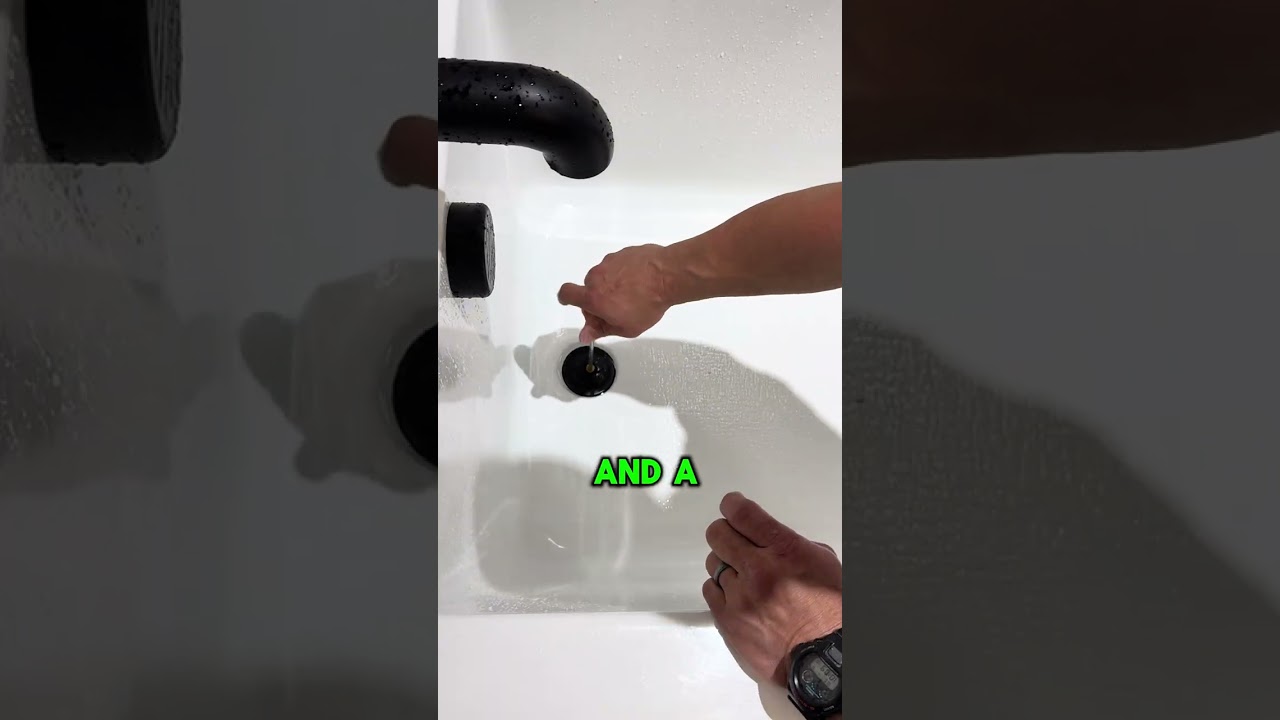
In this video, Travis demonstrates how to remove a bathtub stopper and inspect the drain underneath, where hair and debris commonly accumulate and restrict water flow.
While this simple maintenance step solves many slow drain issues, there are also times when a deeper blockage requires professional attention. In this guide, we’ll cover everything homeowners should know about a slow draining tub, including causes, DIY solutions, and warning signs that it’s time to call a professional.
What Causes a Slow Draining Tub?
Most bathtub drains don’t suddenly clog overnight. Instead, blockages gradually build up over time.
Common causes include:
Hair Buildup
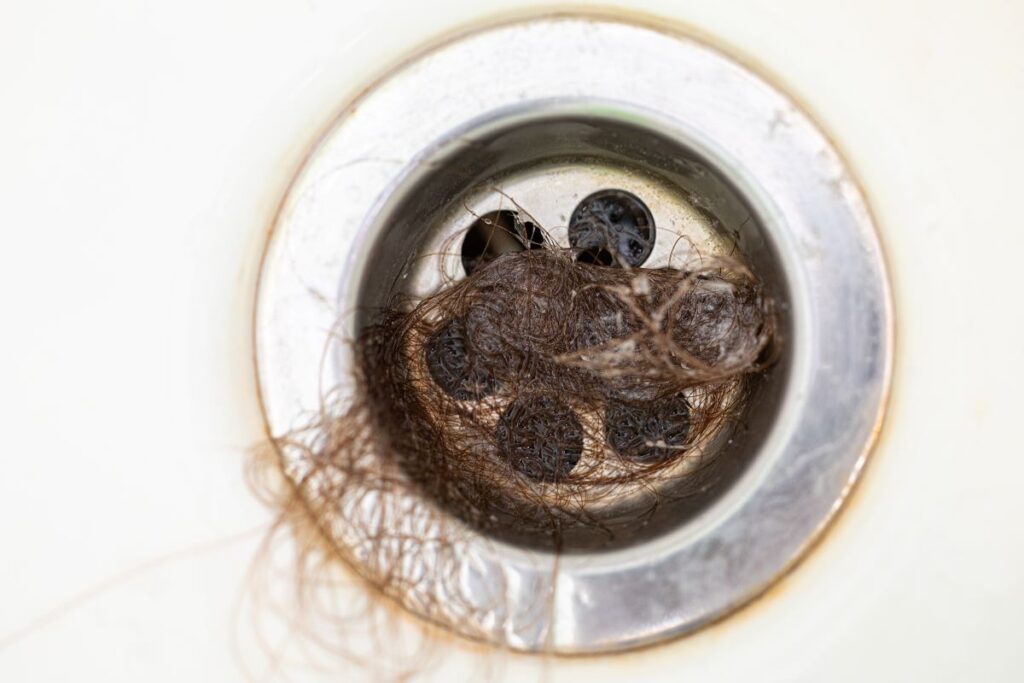
Hair is by far the leading cause of a slow draining tub. As hair travels down the drain, it combines with soap residue and forms a sticky mass that traps additional debris.
The result is a partial blockage that slows water flow.
Soap Scum
Many soaps contain fats and minerals that leave residue inside drain pipes. Over time, this residue narrows the inside diameter of the pipe and contributes to slow drainage.
Shampoo and Conditioner Residue
Hair products can leave behind sticky deposits that cling to pipe walls and collect debris.
Mineral Deposits
Homes with hard water often experience mineral buildup inside plumbing pipes. These deposits can gradually reduce water flow and contribute to drainage issues.
Foreign Objects
Small items like razor caps, bottle seals, children’s toys, or jewelry can accidentally find their way into the drain and create a blockage.
Main Drain Problems
Sometimes the issue isn’t located directly beneath the tub. A clog deeper in your home’s drainage system may affect multiple fixtures and require professional drain cleaning equipment.
The First Thing to Check: Under the Tub Stopper
One of the easiest DIY inspections involves removing the bathtub stopper.
As Travis explains in the video, many homeowners don’t realize that the stopper can often be removed in just a few minutes.
How to Remove a Typical Tub Stopper
- Grab the top knob of the stopper.
- Unscrew the knob.
- Use a flathead screwdriver to remove the stopper assembly.
- Carefully pull the stopper out.
- Inspect the drain opening.
In many cases, you’ll immediately find a collection of hair wrapped around the stopper or trapped just below it.
Removing this buildup can significantly improve drainage.
Travis’s Quick Tip: Removing the Stopper Correctly
Many homeowners assume the bathtub stopper can’t be removed without special tools, but that’s often not the case.
As Travis demonstrates in the video, the first step is to grab the top knob of the stopper and unthread it. Once the knob is removed, you can use a flathead screwdriver to loosen and remove the stopper assembly itself.
After removing the stopper, inspect both the stopper and the drain opening for accumulated hair, soap residue, and debris. It’s common to find enough buildup in this area to significantly slow water flow.
Cleaning this area thoroughly may restore normal drainage without needing professional service.
Signs Hair Is Causing Your Slow Draining Tub
Hair-related clogs often produce predictable symptoms:
- Water drains slowly after showers
- Standing water remains for several minutes
- Gurgling sounds occur during draining
- Drainage gradually worsens over weeks or months
- No other fixtures in the home are affected
If these symptoms sound familiar, there’s a good chance the blockage is located near the drain opening.
Should You Use Chemical Drain Cleaners?
Many homeowners reach for a bottle of drain cleaner when dealing with a slow draining tub.
Unfortunately, that’s not always the best solution.
Potential Problems with Chemical Drain Cleaners
- Can damage older pipes
- May weaken PVC joints over time
- Often fail to completely remove hair clogs
- Create safety hazards during future plumbing repairs
- Can damage tub finishes if spilled
At Danco Plumbing Services, we generally recommend mechanical removal methods before using harsh chemicals.
A simple drain snake or manual cleaning often provides better long-term results.
DIY Solutions for a Slow Draining Tub
Before calling a plumber, you can safely try several homeowner-friendly solutions.
Remove Visible Hair
The simplest solution is often the most effective.
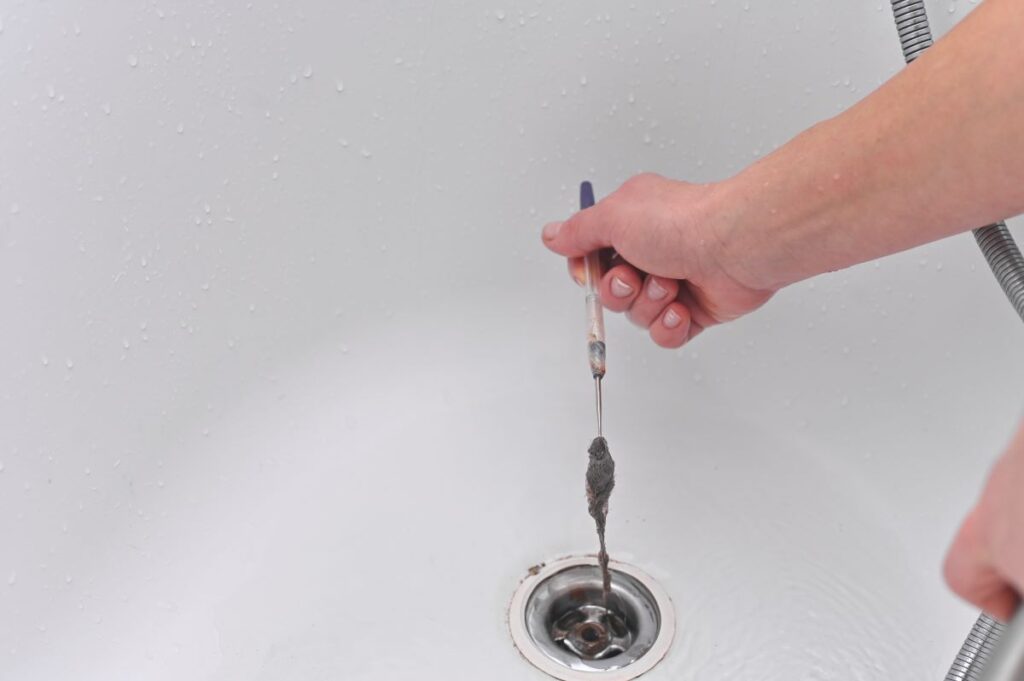
After removing the stopper, use a drain cleaning tool or needle-nose pliers to pull out visible hair and debris.
Flush with Hot Water
Hot water can help loosen soap residue and flush minor buildup.
Run hot water for several minutes after removing debris.
Use a Plastic Drain Snake
Inexpensive drain snakes can reach several inches into the pipe and remove hair clogs that aren’t visible from the surface.
Clean the Stopper Assembly
Many clogs form directly on the stopper itself.
Before reinstalling it, thoroughly clean all accumulated hair and soap residue.
When a Slow Draining Tub Means a Bigger Problem
Not every slow drain is caused by hair near the stopper.
Sometimes the blockage is deeper in the plumbing system.
You may need professional help if:
Multiple Drains Are Slow
If your tub, sink, and shower are all draining slowly, the issue may be located further down the drain line.
Recurring Clogs
If your tub repeatedly develops drainage problems despite cleaning the stopper, a deeper obstruction may exist.
Sewage Odors
Unpleasant smells coming from the drain can indicate buildup, bacteria growth, or sewer line issues.
Gurgling Throughout the House
Drainage sounds from other fixtures may suggest a venting issue or main line blockage.
Water Backs Up Into Other Fixtures
This is often a sign of a larger drainage problem that requires immediate attention.
Professional Drain Cleaning vs. DIY Methods
Professional plumbers have access to equipment that homeowners typically don’t.
These tools include:
Professional Drain Snakes
Commercial-grade drain machines can reach much deeper into plumbing systems.
Video Pipe Inspections
Drain cameras allow plumbers to identify the exact cause and location of a blockage.
Hydro Jetting
For severe buildup, hydro jetting uses high-pressure water to clean pipe walls and restore proper flow.
Accurate Diagnosis
Rather than guessing, professional inspection identifies the root cause of recurring drainage problems.
How to Prevent a Slow Draining Tub
Preventative maintenance is often the easiest solution.
Consider these simple habits:
- Install a hair catcher over the drain
- Remove visible hair after each shower
- Clean the stopper monthly
- Flush drains with hot water periodically
- Avoid washing excessive debris down the drain
- Schedule professional drain maintenance when needed
These small steps can dramatically reduce future drainage problems.
Why Homeowners in York County Trust Danco Plumbing Services
At Danco Plumbing Services, we help homeowners throughout York County and surrounding areas solve everything from simple drain clogs to complex plumbing issues.
Our team is experienced in:
- Drain cleaning
- Bathtub drain repair
- Sewer line diagnostics
- Video pipe inspections
- Plumbing repairs
- Water heater services
- Emergency plumbing services
We believe in helping homeowners understand their plumbing systems and providing honest recommendations that fit their needs.
That’s why we’re happy to share simple tips like the one Travis demonstrates in this video.
Sometimes a quick inspection under the stopper is all it takes to solve a slow draining tub.
When it isn’t, we’re here to help.
Need Help With a Slow Draining Tub?
If you’ve cleaned the stopper and your tub is still draining slowly, don’t wait for the problem to get worse.
A small blockage today can eventually become a complete clog tomorrow.
Whether it’s a simple hair clog or a deeper drain issue, we’ll help get your plumbing flowing properly again.
